Each year50M+Lives reached.
Across SFH’s five country offices and the donor-funded portfolio — counted, evaluated, and published every year since 1985.

Couple-years of protection added. Pregnancies averted. Nets in homes. SFH measures impact in the outcomes that actually move public-health needles — here’s how the work shows up.
Public health isn’t activity-counting. SFH programmes are designed around the outcome metrics that actually move needles — not the input ones that don’t. Every programme carries a measurable target, a clear theory of change, and a published result.
Explore programmes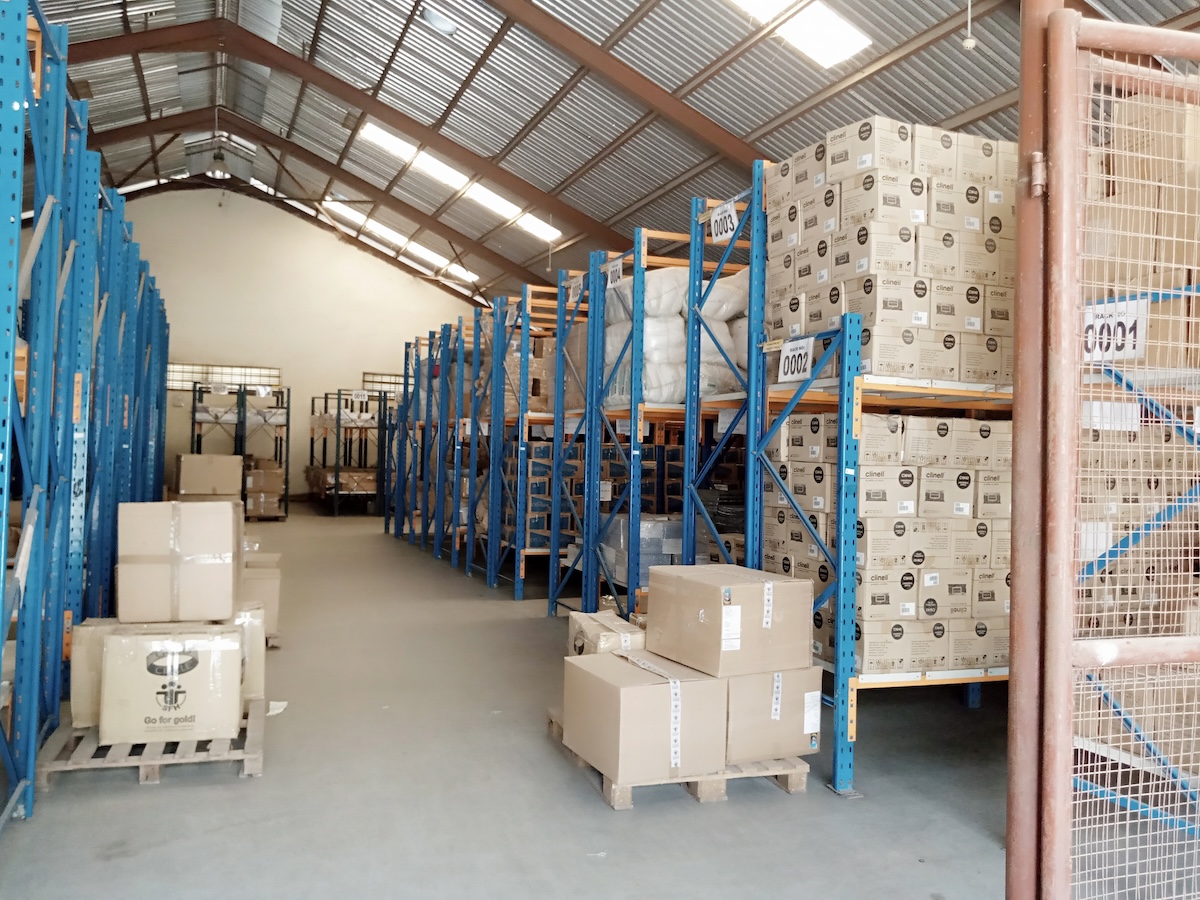
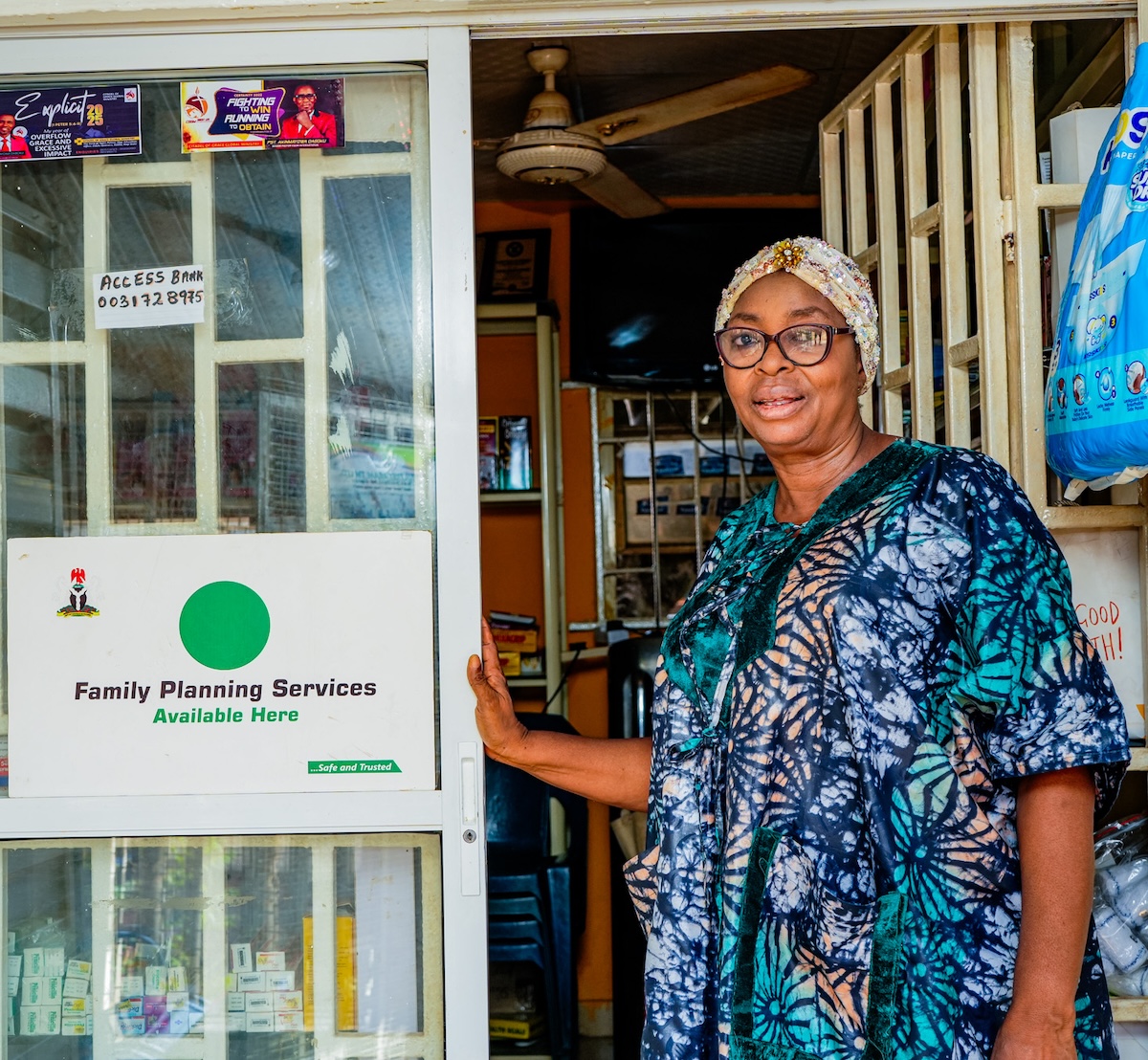
Commodities only matter if they reach the household. SFH Access to Health handles procurement, warehousing, quality assurance, and last-mile delivery across the region — from regional hubs all the way down to community outlets.
Visit SFH Access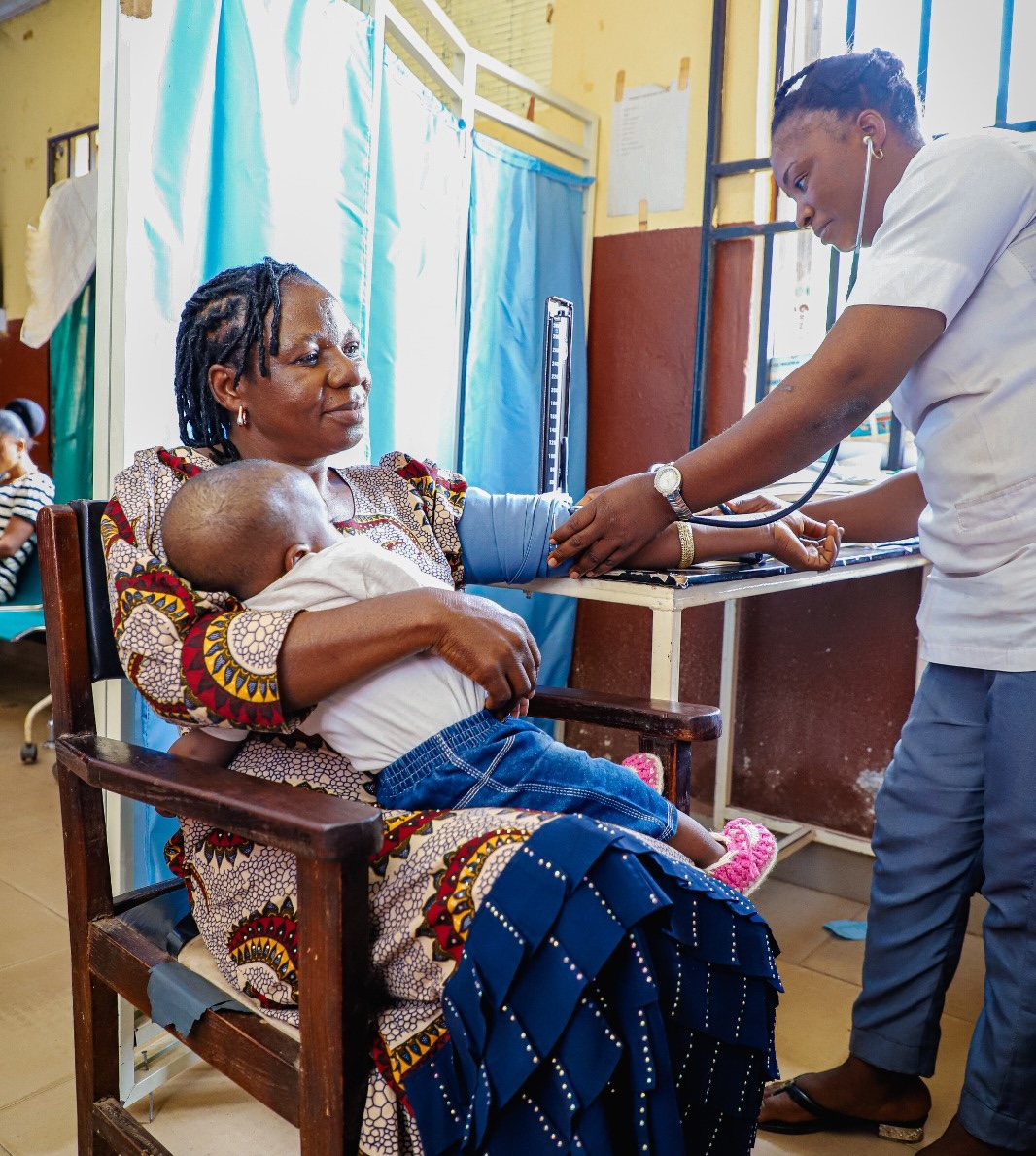
The SFH Institute of Public Health runs evaluations, operational research, and routine monitoring — so impact is measured, not assumed. Findings feed back into programme design and are published openly for partners and peers.
Visit the Institute
Every year, audited financials and programme outcomes go into a public annual report. Donors, partners, and journalists see the same numbers we do — and we’ve kept that record unbroken every year since 1985.
View annual reportsForty years of consistent delivery — the numbers that show up, year after year, across the SFH network.
Across SFH’s five country offices and the donor-funded portfolio — counted, evaluated, and published every year since 1985.
Cumulative and annual figures drawn from our most recent annual report. Numbers are approximate and updated each reporting cycle.
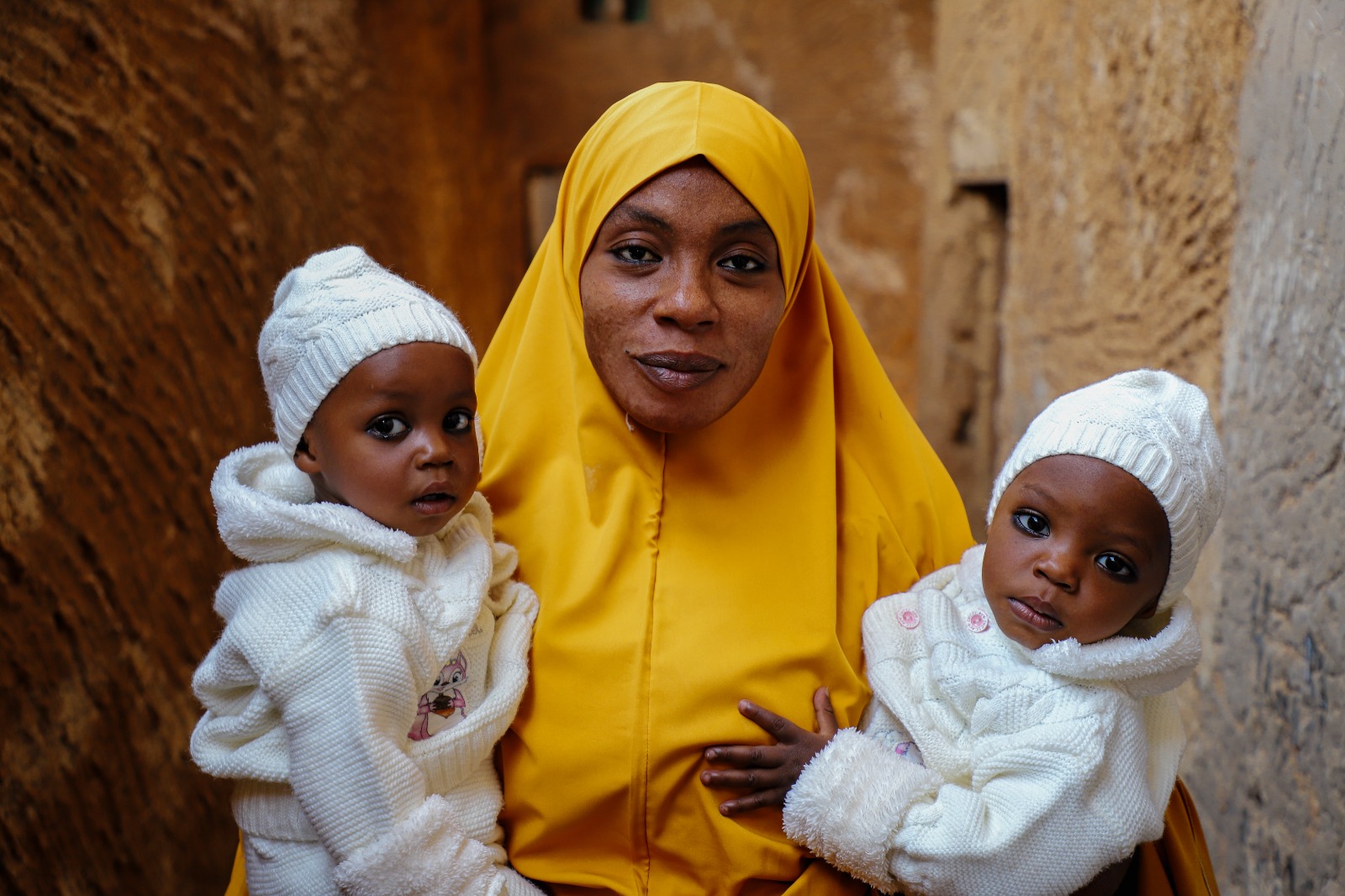
SFH’s portfolio is organised around the conditions that drive the most years of healthy life lost in our communities — from family planning and maternal care to TB, HIV, and the diseases of climate and water.
 01
01Expanding access to modern contraception — from condoms to long-acting reversible methods — alongside counselling and youth-friendly services.
 02
02Mass campaigns for long-lasting insecticidal nets, seasonal chemoprevention, rapid diagnostic testing, and frontline ACT delivery.
 03
03Self-testing, prevention commodities, linkage to treatment, and community programmes for key and vulnerable populations.
04Antenatal care, safe-birth commodities, postnatal services, and child-survival interventions — with a particular focus on the first 1,000 days.
ORS and zinc distribution, community case management, and prevention messaging to bring down childhood diarrhoea mortality.
Household water-treatment products and behaviour-change programmes for communities without reliable safe-water access.
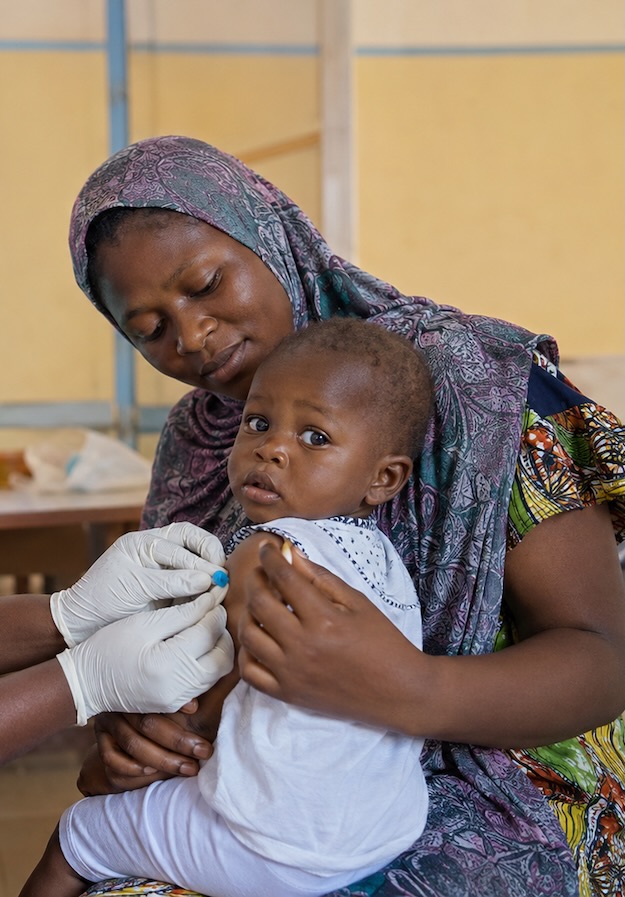
Active case-finding, treatment support, and community awareness — integrated with HIV services where co-infection burden is highest.
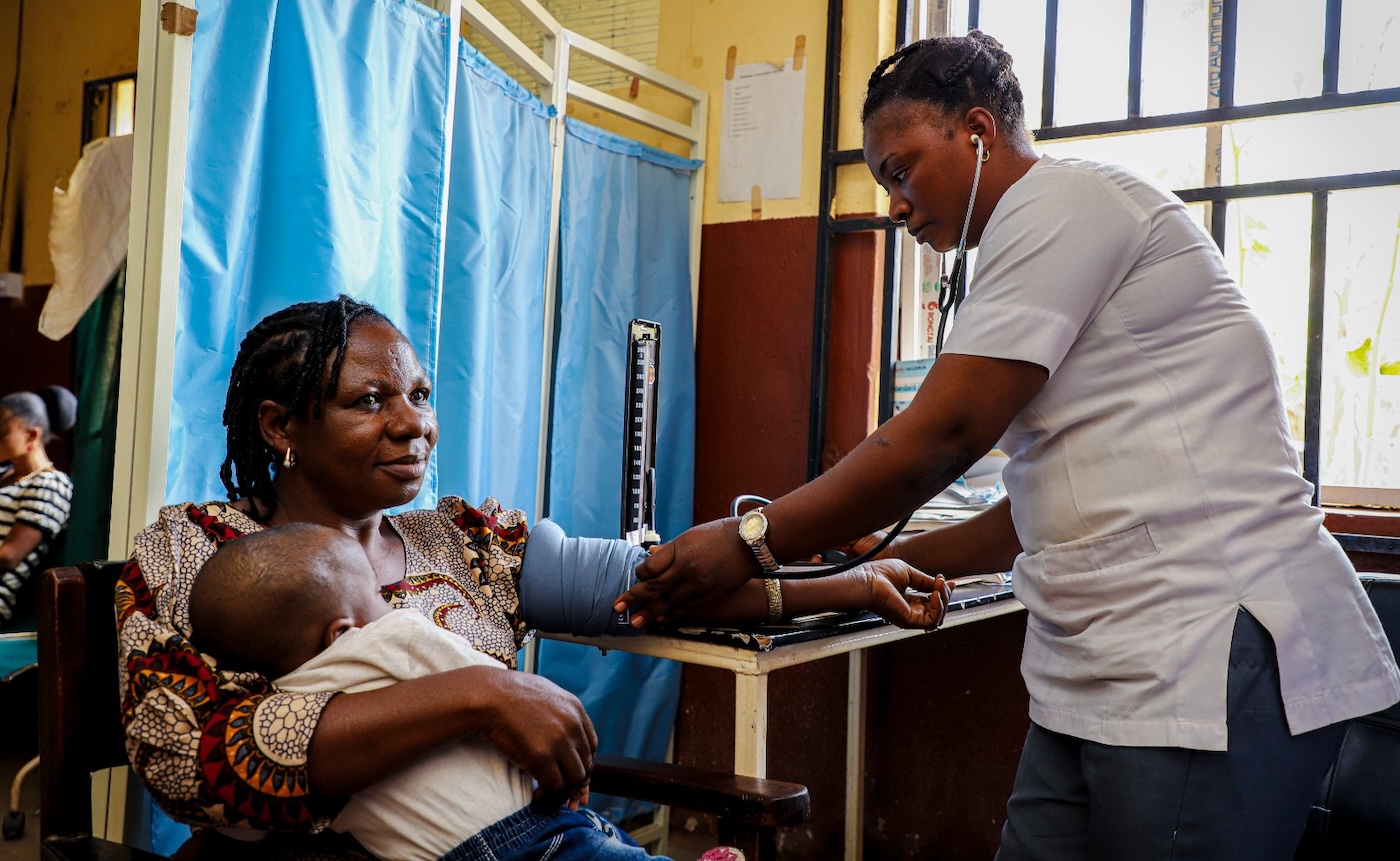
Screening, lifestyle counselling, and access to care for hypertension, diabetes, and other emerging NCDs across our country offices.
Programme implementation generates data — and SFH publishes it. Operational research, programme evaluations, and routine monitoring all feed into a public library of reports, factsheets, and the SFH Papers working series.
Our research priorities follow the programmes — methods for reaching adolescent girls and young women, durability of LLINs in the field, integration of TB and HIV services, the economics of last-mile commodity distribution — and inform practice across the SFH country offices.